8 Reasons Why Restaurants Struggle With Work Order Management
Incomplete asset history and repair records
If a work order has unclear or incomplete information about the restaurant issue, the technician may be dispatched, but they are not set up for success. They may need to waste time hunting down SOPs or calling supervisors or colleagues. They also might complete work that doesn’t get to the root of the problem, guaranteeing a repeat visit. The better the initial work order submission, the better the chance the facilities management team can successfully address whatever the actual reason it was submitted in the first place.
Quality work order information is not just valuable for one specific repair — it can also be valuable over the long-term. Vague work orders or incomplete inspection records dilute asset histories over time. Good asset data, stored in a central record like a CMMS, can inform repair histories, root cause analysis, warranty cost recoveries, and replace vs repair decisions. The foundation for these “downstream” decisions starts with good data capture in initial work orders and compounds over time.
WO management system isn’t compatible with field work
Anyone who has worked “in the field” knows that many processes are not designed for the realities of how repairs unfold at a location.
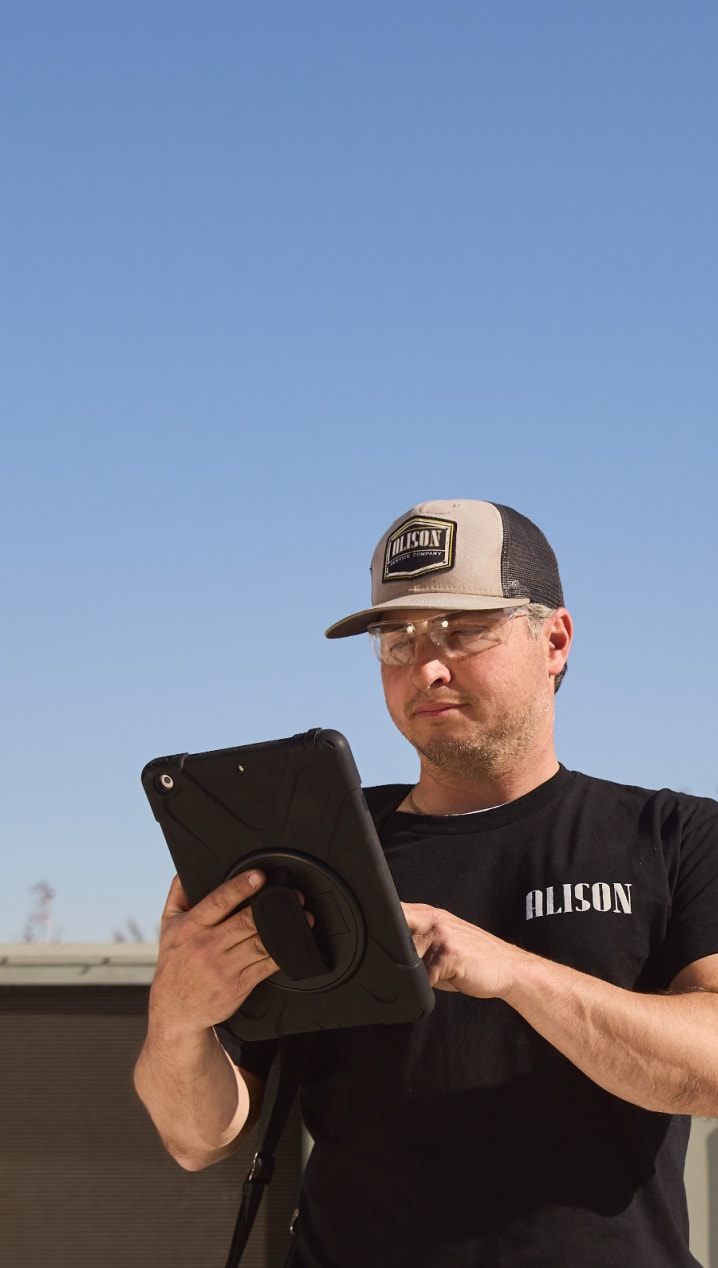
Repair plans and schedules can change quickly, and work order processes may not be able to keep up. In between when the actual repair is done and when a technician sits down at a computer at the end of a shift, details can go missing and critical information like photos or readings might not get logged correctly. This disconnect is where many work order history issues start.
To address the challenges in up-to-date work orders, a solution like a CMMS offers mobile-friendly work order management, built for how technicians operate. This might include an app that supports full WO visibility, direct photo uploads, and changes to work order status in real time. In addition, these apps should have offline modes in case signal service is an issue.
Delays in approvals and unclear followup accountability
Sometimes, work orders can lose momentum due to gaps in internal processes. Depending on your restaurant facilities workflows, someone in a central facilities management may be required to give approval for a repair. If they’re out of office, miss a notification, or are unclear on their role, they can hold up the entire approval chain.
Approvals may be necessary due diligence, but they should not be the reason work is delayed days or weeks. With a CMMS, you can set approval time limits, escalating automatically after a certain period of time or allowing multiple options of approvers for specific steps.
Work order management isn’t flexible enough
Anyone who works in operations knows that you can create the perfect maintenance schedule on Sunday night, but by Monday morning your priorities can complete shift. However, you can’t maintain your restaurants for the long-term if your teams are reacting to emergencies blindly.
Schedule changes are inevitable, but your system needs to be flexible enough to keep up with work order changes. Work order management needs to adjust strategically, instead of chaotically. With a CMMS work order management platform, you have visibility into the full picture of work, whether using a drag and drop calendar to rearrange responsibilities or being able to map out technician dispatch locations.
Organization doesn’t have end-to-end visibility
Reporting is part of every facilities management role. However, without a central record of current status, you have time-consuming reporting, supervisors interrupting technicians to check on status, or work orders left open because no one has finished manual entry.
A central CMMS record provides one location where the entire restaurant facilities management team can collaborate, internally and externally with vendors. When there is streamlined visibility into live status updates, not only is time saved on communication between teams, but facilities management leaders can actually focus their time on where escalations and reviews are needed, rather than just tracking updates.
No spare parts tracking
Work order progress can frequently be slowed down by the most basic maintenance detail: parts. If a technician arrives for a repair and the correct parts aren’t available, the work order might be delayed or completely derailed.
A CMMS can allow you to link parts to a work order when it is first created, as well as integrate with an inventory system for spare parts. You can even leverage QR codes on individual equipment that links to manuals, inventory, and SOPs for spare parts usage, ensuring that you are giving your vendors or technicians everything they need for a successful repair.
Vague priority levels
If all work orders are assigned the same level of priority, you don’t have true visibility into your work order queue. Assigning tiers can help you not only prioritize appropriately, but also give you better visibility on progress on your most important restaurant equipment.
Consider implementing different categories, starting with Emergency or Safety issues as the most urgent, along with tiers of Corrective Maintenance and Preventive Maintenance. This can help you prioritize appropriately from the moment a work order enters the queue, rather than trying to rearrange schedules constantly as details change.
Work orders are isolated
A work order isn’t just a call for a technician to do a certain repair. A WO contains information about commonly failed parts, vendor reliability, labor hours, billing, location checklists, overall costs, and more. When work orders are closed, the information stored in them can inform all sorts of reporting, from performance analysis to budget forecasting.
Work orders are not just administrative tasks, they can be used to improve all parts of the restaurant organization. Successful restaurant facilities management doesn’t silo work order information. Ensuring your WO management system connects with all other business systems, from invoicing to PM checklists, allows you to get the most out of the hard work you put into your facilities.