blog

June 25th, 2026

Team Ecotrak

Best Facilities Management Software for Restaurants in 2026

Looking for the best facilities management software for restaurants? We compared 9 platforms on ease of use, AI capabilities, cost control, and vendor management. Here’s what actually works.

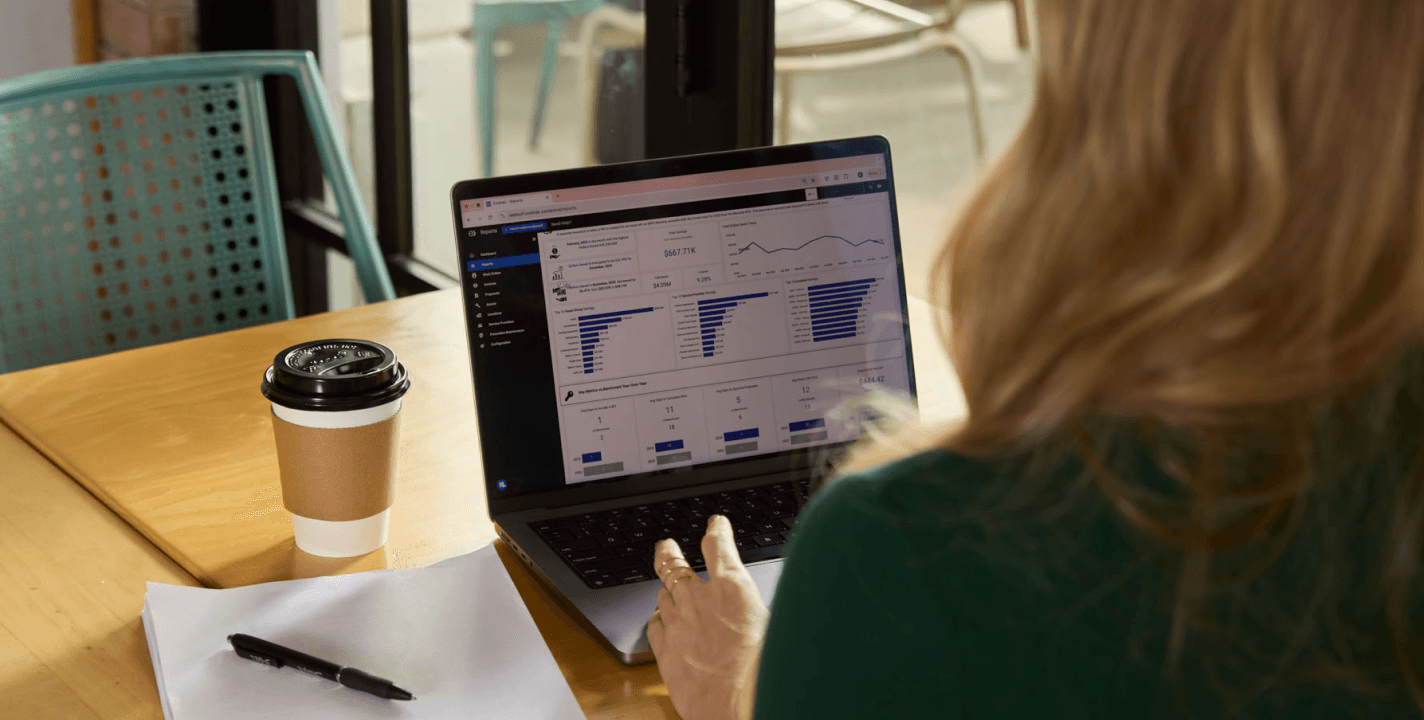
Person working on a laptop with data charts on screen, next to a coffee cup, notepad, and pen on a wooden table.
Table of Contents
  1. Why Facilities Management Software Matters for Restaurants

  2. What to Look for Before You Buy

  3. The 9 Best Platforms for Restaurant Facilities Management

    1. Ecotrak

    2. ServiceChannel

    3. Fexa

    4. MaintainX

    5. 86 Repairs

    6. Upkeep

    7. Corrigo

    8. FMX

    9. OpenWrench

  4. How to Choose the Right Platform

  5. Frequently Asked Questions

Why Facilities Management Software Matters for Restaurants

It is 7:30 on a Saturday morning. Your prep cook walks into the walk-in and notices it is running warm. Your dining room opens in 90 minutes, and you have $4,000 in product at risk. You call the first vendor you can find, wait on hold, and hope they can get someone there fast.

Now imagine you had a system that flagged the issue before it became a crisis, already had a preferred vendor dispatched with your equipment history in hand, and tracked the whole repair from your phone.

That is what good facilities management software does for restaurants. It turns reactive firefighting into something closer to proactive operations, which is the difference between a smoothly running location and one where equipment failures eat into your margins every quarter.

Restaurants run on thin margins and even thinner patience when things break. Every hour your fryer is down during a dinner rush is revenue you cannot recover. The average restaurant spends a meaningful percentage of revenue on repair and maintenance, and most of that cost is driven by unplanned breakdowns. Platforms that help you get ahead of that are worth every dollar.

We looked at nine of the leading platforms and ranked them based on how well they serve restaurants specifically, with a close eye on which ones are actually innovating and which are running on legacy infrastructure that has not kept pace with where the industry is heading.

What to Look for Before You Buy

Not all facilities management tools are built with restaurants in mind. A platform designed for corporate campuses or manufacturing plants may check the basic boxes but still miss what matters most in foodservice: speed, simplicity for non-technical staff, and an ecosystem built around the kinds of vendors who service commercial kitchens.

Here is what separates the best restaurant FM platforms from the rest.

Ease of use for frontline staff. Your kitchen manager is not a facilities professional. They need to submit a work order or report a breakdown in under two minutes, without a training session. A modern, intuitive interface that works on mobile is table stakes.

Pace of innovation. The restaurant industry moves fast. Your software should too. Look for platforms that ship meaningful updates frequently, respond to customer feedback with actual product changes, and have a roadmap that reflects where the industry is heading rather than where it was five years ago.

AI capabilities. The best platforms are starting to use AI to predict equipment failures, flag vendor performance issues, and surface cost anomalies before they become line-item problems. This is not a future feature anymore.

Vendor network and dispatch speed. The best platforms come with pre-vetted service provider networks so you are not starting from scratch every time you need an HVAC tech or a refrigeration specialist. Coverage and network depth matter, especially if you operate in multiple markets.

Preventive maintenance tools. Most equipment failures are predictable. Platforms that help you schedule and track PM tasks consistently will reduce your unplanned repair spend over time.

Asset tracking and history. Knowing when a piece of equipment was last serviced, what was done, and how much it has cost is essential for making smart replacement decisions. Without this data, you are guessing.

Customer relationship and support. Software is only as good as the team behind it. Look for a vendor who treats you like a partner, not a ticket number.

The 9 Best Platforms for Restaurant Facilities Management

1. Ecotrak

Best for: Multi-location restaurant and hospitality operators who want to reduce R&M costs, move faster, and work with a team that actually listens

Ecotrak was built from the ground up for the restaurant and hospitality industry, and it shows in every part of the product. While most competitors in this space are adapting general-purpose CMMS tools for restaurants, Ecotrak was purpose-built for foodservice from day one. That focus drives faster, more relevant product development. When restaurant operators ask for something, Ecotrak ships it.

The pace of product development at Ecotrak is one of the most tangible differences operators experience after switching from an older platform. Ecotrak operates on a genuinely agile release cycle, shipping meaningful updates continuously based on real customer feedback. Where legacy CMMS platforms operate on slow quarterly or annual update schedules, Ecotrak moves at the speed of an operator who cannot afford to wait. New capabilities get from idea to production faster here than anywhere else in the category.

Ecotrak has also launched AI capabilities that are practical and directly relevant to restaurant operations: predicting equipment failures before they happen, surfacing vendor performance patterns, identifying cost anomalies across a portfolio, and helping operators make smarter repair vs. replace calls. This is not a roadmap item. It is live and actively being expanded, with more AI features shipping regularly as part of that same fast-moving release cadence.

The network is a significant operational advantage. Ecotrak connects operators with more than 15,000 service providers, which means when something breaks at one of your locations, you are not spending the first 30 minutes hunting for a qualified vendor. The platform also includes preventive maintenance scheduling, asset management, and real-time work order tracking in a workflow that frontline staff can actually use without training.

One thing that distinguishes how Ecotrak handles assets is the work order model itself. Every work order is placed directly against a specific asset, so your data stays tied to the equipment rather than floating as a standalone request. This means your repair history, warranty status, and spend-per-asset are always current, which makes repair vs. replace decisions much easier to get right. A lot of platforms take a problem-based approach where work orders are logged around the issue rather than the asset. That makes the data less useful over time.

The vendor cost structure is also worth noting. Ecotrak charges a flat fee per approved invoice rather than a per-work-order fee, which is meaningfully lower than what some other platforms in this space charge. That difference adds up across a portfolio.

Every Ecotrak subscription includes a dedicated Customer Success Manager. This is not a support ticket queue or a shared inbox. It is a real person who knows your account, your goals, and your locations. That kind of relationship is standard at Ecotrak and something many competitors either do not offer or charge significantly more for.

The business impact backs all of this up. Ecotrak customers report an average of 15% savings on repair and maintenance costs, a 30% reduction in time spent managing work orders, and a 5x return on investment. The platform holds a 4.8 rating on G2, which reflects how satisfied operators are with both the product and the partnership.

What sets Ecotrak apart from every other platform on this list is not just the features. It is the relationship. Ecotrak operates as a genuine partner to the operators they work with, and that shows up in the product roadmap, the support experience, and the outcomes their customers report. For restaurants that are tired of being a line item to their software vendor, that matters.

Ecotrak also offers a free tier for operators with up to 10 locations, which means smaller groups can start seeing results without a major upfront commitment.

Ideal for: Restaurant groups, QSR franchises, full-service dining, and hospitality operators at any scale

2. ServiceChannel

Best for: Large enterprise restaurant brands with complex multi-location portfolios and dedicated FM teams

ServiceChannel is one of the longest-established names in facilities management software, with deep roots in enterprise retail and a large footprint across national chains. It is a legacy CMMS platform that has been in the market for many years and has built significant brand recognition, particularly among the largest operators with dedicated facilities departments.

The platform covers work order management, compliance tracking, a contractor marketplace, and portfolio-level analytics. It serves a broad range of industries and has strong adoption at enterprise scale.

As a legacy platform, ServiceChannel carries the tradeoffs that come with that history. The architecture reflects years of accumulated functionality rather than a modern ground-up build, and updates move slowly compared to newer entrants. The vendor fee model is on the higher end of the market, which can affect how service providers engage with the platform. For the largest national brands with dedicated facilities teams and the budget to match, it is a familiar option. For growing restaurant groups who want to move fast and work with a responsive partner, the pace and cost structure are worth factoring in carefully.

Ideal for: National chains and enterprise brands with dedicated facilities teams and complex compliance requirements

3. Fexa

Best for: Multi-location operators who prioritize workflow flexibility and have HVAC/R compliance requirements

Fexa positions itself around flexibility and control, with messaging centered on the idea that software should not take away the operator’s ability to configure their own workflows. They differentiate on vendor cost structure, eliminating the per-invoice and per-work-order fees that have frustrated operators on older platforms.

The Fexa product suite includes core CMMS capabilities, a refrigerant and HVAC/R compliance management product (FexaTrakref), and a provider network layer (FexaLink). The refrigerant compliance angle is increasingly relevant as the AIM Act creates new obligations for operators managing HVAC and refrigeration systems across multiple locations.

One important context to have when evaluating Fexa: their core customer base and design heritage lean heavily toward retail. Their published customer list includes a number of large retail brands, and the platform’s configurability reflects requirements of that segment. For multi- location retail operators, that is a natural fit. For restaurant operators, it means evaluating whether the restaurant-specific workflows and vendor ecosystem depth are really there.

Where Ecotrak differentiates is in purpose-built restaurant design from day one, asset management focus, the speed of feature development, and the customer partnership model. Fexa offers flexibility. Ecotrak offers a platform built specifically by and for the restaurant industry.

Ideal for: Multi-location operators with HVAC/R compliance requirements, operators who have been burned by vendor fee structures on other platforms

4. MaintainX

Best for: Operations teams managing internal maintenance staff who want a clean, well-designed mobile CMMS

MaintainX has built a strong reputation in the CMMS space, particularly among operations teams managing internal maintenance staff. The platform has seen meaningful adoption in plant and manufacturing environments, where the core use case is tracking internal technicians, PM schedules, and equipment in a single facility or campus. That heritage shows in the product design.

The mobile interface is polished and well-executed, and MaintainX has invested in user experience in a way that older CMMS platforms have not. MaintainX was recently acquired by Autodesk, which brings new resources but also introduces questions about roadmap continuity and strategic direction. For operators evaluating a long-term FM partner, it is worth watching how the product evolves under new ownership.

The platform is built primarily as a CMMS rather than a full facilities management solution. For restaurant operators whose primary vendor relationships are with third-party service providers, it is worth knowing that MaintainX connects with external vendors largely through email notifications rather than a true integrated service provider network. There is no pre-built vendor marketplace, no benchmarking data across similar operators, and limited multi-location roll-up management for larger groups. For operators who want to actively manage a vendor ecosystem and understand their spend in context, that gap is meaningful.

Ideal for: Restaurant operations teams managing internal maintenance staff, operators looking for a well-designed starting point for CMMS

5. 86 Repairs

Best for: Restaurant operators who want to fully outsource R&M management rather than manage it themselves

86 Repairs is built exclusively for restaurants, and that focus shows throughout the product. The platform operates on two models: a self-service platform for operators who want to manage their own R&M, and a full-service option where the 86 Repairs team takes over end-to-end management.

The full-service model is the real differentiator. For operators without a dedicated facilities manager, 86 Repairs provides 24/7/365 support staffed by people with actual restaurant experience. They handle dispatch, vendor management, troubleshooting workflows, and preventive maintenance tracking. The platform includes automated warranty checks and predictive asset management.

The tradeoff is that the full-service model is a managed service more than a self-service software platform, which changes what control looks like day to day. One thing operators should understand going in: in the managed service model, your repair and maintenance data lives within the 86 Repairs system. Exporting your history or transitioning to a different platform later can be more complicated than it would be with a self-service tool where you own and control your data directly. For franchise operators or smaller groups who want to remove the burden of FM management entirely and are comfortable with that arrangement, it can work well. For operators who want to build internal capability and full visibility into their R&M spend over time, a platform like Ecotrak gives you more ownership and portability.

Ideal for: Restaurant operators who want to hand off R&M management entirely, QSR franchisees without dedicated facilities staff

6. UpKeep

Best for: Restaurant groups with in-house maintenance technicians who need a solid asset and work order management tool

UpKeep is a well-known CMMS with a reputation for mobile-first maintenance management. Like MaintainX, UpKeep built its strongest following in plant and manufacturing environments, where the primary use case is managing internal technicians and tracking equipment in industrial settings. The platform has expanded into other verticals including food and beverage, but its design roots show in how the product is structured.

The mobile experience is polished and practical for technicians in the field. For restaurant groups that maintain internal maintenance staff and need a tool to manage those workflows and asset records, UpKeep is a functional option.

Where UpKeep falls short for most restaurant operators is in the vendor management and third- party service provider ecosystem. The platform does not offer a true connection to external service providers, and reporting capabilities are more limited than what dedicated FM platforms provide. Tools for capital planning and asset lifecycle decisions are also limited. For restaurants that rely on outside vendors for the bulk of their repairs, which is the reality for most multi- location groups, those gaps are meaningful.

Ideal for: Larger restaurant groups with in-house maintenance technicians, operators whose primary need is internal team management

7. Corrigo

Best for: Enterprise operators who are already working with JLL or need an integrated IWMS at global scale

Corrigo is a JLL company, and that context defines who it is designed to serve. JLL manages over 2.2 billion square feet of facilities globally. Corrigo is the software layer underneath JLL’s managed services model, built as an enterprise integrated workplace management system for organizations that are also working with JLL on real estate, property management, or capital planning.

Corrigo is a legacy CMMS platform that has been in the market for a long time, and its architecture reflects that history. Like ServiceChannel, it carries the weight of a platform built in an earlier era of enterprise software, with the implementation complexity and customization requirements that come with it. The interface can be challenging for operators and technicians who are not dedicated facilities professionals, reporting typically requires significant manual configuration rather than working out of the box, and the vendor fee model is on the higher end of the market.

For large restaurant brands with dedicated FM departments that are already embedded in the JLL ecosystem, Corrigo is a natural extension of that relationship. For most restaurant operators who are not, the scale, implementation timeline, and cost structure are better suited to organizations with different needs and resources.

Ideal for: Enterprise restaurant brands with dedicated FM departments, organizations already working with JLL on real estate or managed facility services

8. FMX

Best for: Operators who need a configurable multi-purpose facilities tool across diverse property types

FMX (Facilities Management Express) is a configurable CMMS that serves a wide range of industries including restaurants. The platform covers the core capabilities you would expect: work orders, preventive maintenance, asset tracking, inventory, and reporting, all in a reasonably flexible package.

FMX’s strongest segment is K-12 education, and that context shapes the product design. It is configurable and capable, but it lacks the restaurant-specific depth and the service provider ecosystem you get from platforms built exclusively for foodservice. For operators who manage a diverse mix of facilities types and need one tool that bends to fit all of them, FMX is worth evaluating. For restaurant-first operators, there are more purpose-built options.

Ideal for: Multi-concept operators or hospitality groups managing different types of facilities who need a flexible general-purpose tool

9. OpenWrench

Best for: Small operators looking for a straightforward, general-purpose first FM platform

OpenWrench is a facilities management platform that covers the fundamentals: work order management, preventive maintenance scheduling, vendor management, and basic reporting. It is a general-purpose tool that serves operators across a range of industries rather than being built specifically for restaurants.

For smaller operators or groups that are graduating from spreadsheets and text threads, OpenWrench is a functional starting point. The interface is accessible and the learning curve is manageable.

Where Ecotrak differentiates is in scale, depth, and pace of innovation. OpenWrench does not currently offer AI capabilities, benchmarking data across similar operators, or asset-level cost analytics, and the reporting suite is more limited than what purpose-built platforms deliver at scale. The service provider network, cost intelligence, and product development cadence in Ecotrak are all built for operators who want to grow. OpenWrench is a reasonable starting point. Ecotrak is where you go when you are ready to run a serious facilities operation.

Ideal for: Independent restaurants and small regional groups getting their first purpose-built FM platform

How to Choose the Right Platform

The right facilities management software depends less on feature lists and more on where you are operationally and what problem you are trying to solve first.

If you want a platform purpose-built for restaurants, backed by an AI-forward product roadmap, that ships features faster than the competition and treats you like a partner rather than a customer number, start with Ecotrak. The free tier for up to 10 locations means you can see the value before committing to a larger rollout.

If you are a large enterprise brand with a dedicated facilities team and the internal resources to implement a complex platform, ServiceChannel is worth evaluating. Go in with clear eyes about the implementation timeline and cost.

If you want to fully outsource your R&M management rather than manage it yourself, 86 Repairs is the most restaurant-specific option for that model.

If your primary need is managing an internal maintenance team with in-house technicians, MaintainX and UpKeep are both well-known in that space, though they have roots in plant and manufacturing environments rather than restaurants. MaintainX was recently acquired by Autodesk, so operators evaluating it as a long-term partner should track how the product direction evolves.

For most growing restaurant groups, Ecotrak hits the right combination of restaurant-specific design, modern interface, fast agile innovation, service provider network depth, and measurable ROI. The difference operators notice most is not just the software. It is the relationship.

Frequently Asked Questions

What is facilities management software for restaurants?

Facilities management software is a platform that helps restaurant operators manage the maintenance and repair of their physical locations, equipment, and assets. It typically covers work order management, preventive maintenance scheduling, vendor relationships, asset history, and R&M cost analytics. In restaurants, this means managing everything from walk-in coolers and fryers to HVAC systems and plumbing across every location in your portfolio.

How is restaurant FM software different from a general CMMS?

A general CMMS (computerized maintenance management system) is designed to work across many industries, from manufacturing to healthcare to real estate. Restaurant-specific platforms are built for foodservice operators, which means the workflows, vendor networks, and cost benchmarks are all calibrated for commercial kitchen environments. Platforms like Ecotrak were designed specifically for restaurants, while platforms like UpKeep, MaintainX, and FMX built their reputations in plant, manufacturing, or education environments and serve restaurants as one of many verticals. The difference shows up in how quickly the software adapts to your actual problems and how relevant the built-in network and data are to your operations.

What makes Ecotrak different from the other platforms on this list?

A few things stand out. First, Ecotrak is built exclusively for the restaurant and hospitality industry, which means every feature and every update reflects the real challenges operators face. Second, the asset-first approach ties work orders directly to specific pieces of equipment, so your repair history, warranty status, and spend-per-asset are always accurate. Most other platforms log work orders against a problem rather than an asset, which makes the data less useful over time. Third, the pace of innovation is meaningfully faster than most legacy competitors. Ecotrak ships updates continuously rather than on a slow enterprise cycle, and the product reflects real customer feedback. Fourth, every subscription includes a dedicated Customer Success Manager who knows your account. That kind of relationship is not standard at most platforms in this category. Fifth, the vendor cost structure is more operator-friendly than competitors who charge per work order. And the interface is modern and intuitive in a way that operators notice immediately compared to older platforms.

Can small restaurant groups benefit from facilities management software?

Yes, and often the impact is even more pronounced at smaller scales because the per-location cost of reactive repairs tends to be higher when you do not have systematic processes in place. Ecotrak offers a free tier for operators with up to 10 locations. Getting your PM schedules in order and your vendor relationships tracked even at 3 to 5 locations will pay for itself quickly.

What should I expect to pay for restaurant FM software?

Pricing varies widely depending on the platform, the number of locations, and the level of service. Most platforms price per location per month. Enterprise platforms like ServiceChannel and Corrigo are priced for large organizations with dedicated FM teams and significant implementation budgets. Platforms like Ecotrak and MaintainX offer more accessible pricing structures with free starting tiers for smaller operators. For specific numbers, request a demo and get a quote based on your actual location count and requirements.

How quickly can I get a platform running?

This depends on the platform and the complexity of your operation. A growing restaurant group getting started on Ecotrak can typically be operational within a week or two, because the onboarding is designed for operators, not implementation consultants. Larger enterprise implementations with ServiceChannel or Corrigo can take months and often require professional services support. If speed to value matters to you, Ecotrak’s modern architecture and guided onboarding are built with that in mind.

What is the ROI on facilities management software for restaurants?

The ROI comes from three places: reducing unplanned repair costs by catching issues early, reducing vendor overspend through visibility and benchmarking, and reducing the management time your team spends chasing down vendors and tracking invoices. Ecotrak customers report an average 15% reduction in R&M costs, 30% less time managing work orders, and a 5x return on investment. The specific ROI depends on your starting point, but operators who are managing maintenance reactively almost always see significant savings when they move to a structured, modern platform.

Is AI in facilities management software actually useful for restaurants right now?

Yes, and the use cases are practical, not theoretical. AI is being used to predict equipment failures based on maintenance history and usage patterns, flag vendor performance issues before they become recurring problems, identify cost anomalies across a portfolio, and recommend when to repair versus replace aging equipment. Ecotrak is investing in these capabilities because they directly address the problems restaurant operators deal with every day. The platforms that are ahead on AI now will be significantly ahead in capability over the next two to three years.

Related Content

Newsletter

KEEP UP WITH US