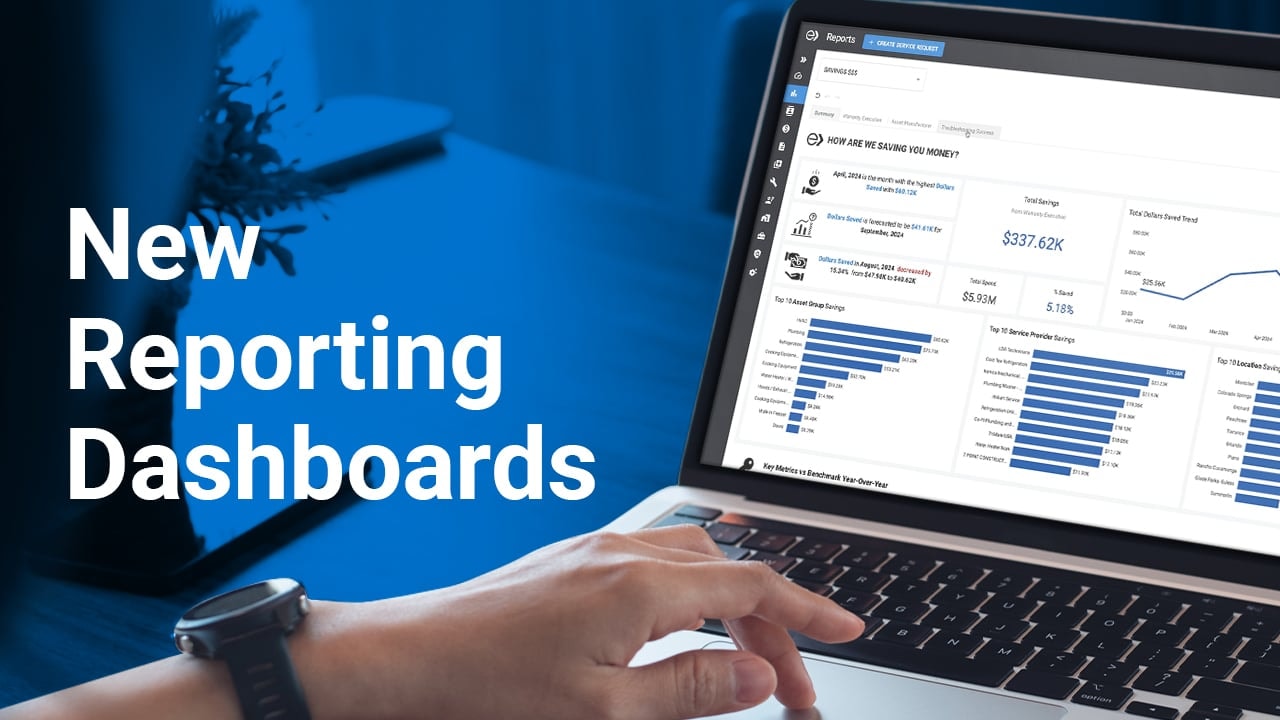
How can you manage all the different parts of your healthcare organization, all at once? There are many tools in facilities management, but it can be difficult to figure out what you need for your organization versus what different platforms may offer. If you’ve heard that you should be using a CMMS in your facilities management, read on to learn about what a CMMS should (and shouldn’t) manage in healthcare.
news
August 7th, 2026
Team Ecotrak
Facility vs Clinical Equipment: What a CMMS Should (and Shouldn't) Manage in Healthcare
Successful facility management is key for any healthcare organization. But facility management in a healthcare setting covers such a wide set of details, from an automatic sliding door at the front entrance all the way to surgical laser equipment.
What is a CMMS?
A CMMS is a computerized maintenance management system that is built to track various maintenance activities. Within healthcare, this may involve managing facility assets, medical equipment, and building systems, whether in one hospital or across multiple clinics or research facilities.
In general, a CMMS is a valuable tool for all facility maintenance activities. But within healthcare, facility maintenance can often be broken into two groups: facility operations, and specialized clinical equipment maintenance.
When is a CMMS Not the Right Tool?
Let’s start with the exceptions: a general CMMS tool may not be the right choice for certain biomedical engineering teams. Diagnostic or therapeutic equipment is used directly for patient care, so it tends to be strictly controlled for patient safety (with good reason).
For example, clinical equipment like defibrillators, MRI machines, CT scanners, life support systems, and laboratory equipment regularly requires calibration, regulated maintenance, and cybersecurity compliance. To meet these standards for clinical equipment, specialized biomed maintenance platforms can offer:
Calibration: Medical devices need to regularly be tested and calibrated to ensure safety and accuracy. A specialized biomed platform can record asset performance, location, calibration records, and recent inspections. These functional tools will also offer workflows designed for device alerts, service workflows, and integrations with testing equipment.
Audits: Healthcare organizations need to follow Joint Commission, FDA, and other governing standards. A specialized biomed equipment maintenance platform is able to track equipment performance history as needed for any audit, and it may also integrate with other platforms to flag FDA recalls automatically.
Compliance: Particularly if equipment needs to interact with clinical data and patient records, any associated tool needs to be consistent with HIPAA compliance and patient tracking standards. In addition, certain equipment may need to track software and firmware updates for cybersecurity compliance.
What Can a CMMS Do for Healthcare Facilities?
While a CMMS may not be the best tool for certain specialized medical equipment, healthcare facility maintenance covers dozens and hundreds of additional assets. Patient care depends on the entire healthcare facility and network of locations working smoothly. Your facility infrastructure is critical for quality patient care; HVAC, electrical and plumbing systems, and building details from elevators to exam tables all have a role to play.
A CMMS allows visibility into all maintenance activities, so you can track assets and manage work orders and vendors from one platform. Maintenance teams can review and schedule Preventive Maintenance tasks as well as Corrective Maintenance work orders. Efficient service dispatching can help you reduce downtime of facility equipment, as well as inform budget analysis.
And with one centralized maintenance hub, you can see issues across multiple locations, taking the administrative burden off of healthcare employees so they can focus on patient care.
Benefits of Using a CMMS for Healthcare Facilities Management
A robust CMMS can improve processes for your healthcare organization such as:
Asset Management: Manage all of your equipment and building assets, across all locations, from one central platform. No more digging through emails or letting service requests fall through the cracks (until they pop back up again as urgent).
Work Order Management: Centralize work orders, track progress, and easily spot where escalation is necessary. Prioritize work order progress to ensure every practice and clinic meets your high standards for patient care.
Preventive Maintenance (PM): PMs are a best practice to minimize equipment downtime and extend the overall lifespan of your facilities equipment. Use a CMMS to automate the tedious nature of PM scheduling, ensuring these important tasks are scheduled according to your workflows while freeing you up to focus on other priorities.
Vendor Management: Whether you work with regional vendors or a mix of an in-house technician team, you need your field partners to have easy access to your maintenance system. Standardize onboarding and work order access so that technicians have the information they need to complete work effectively and add in their own notes for future records.
Mobile-Friendly Design: For facilities management professionals who are always on the go, a CMMS should have functionality in a mobile app. You can access approvals or adjust scheduling, and technicians can see work order histories and add notes, drive time, or updates.
Invoicing and Approvals: Your healthcare teams should focus on patient care, not administrative desk work. Streamline proposal and invoice approval workflows so that paperwork isn’t holding up facilities maintenance.
Service Provider Directory: When you need to grow your network of trusted providers, a CMMS like Ecotrak gives access to a nationwide network of vetted service providers across all major trades.
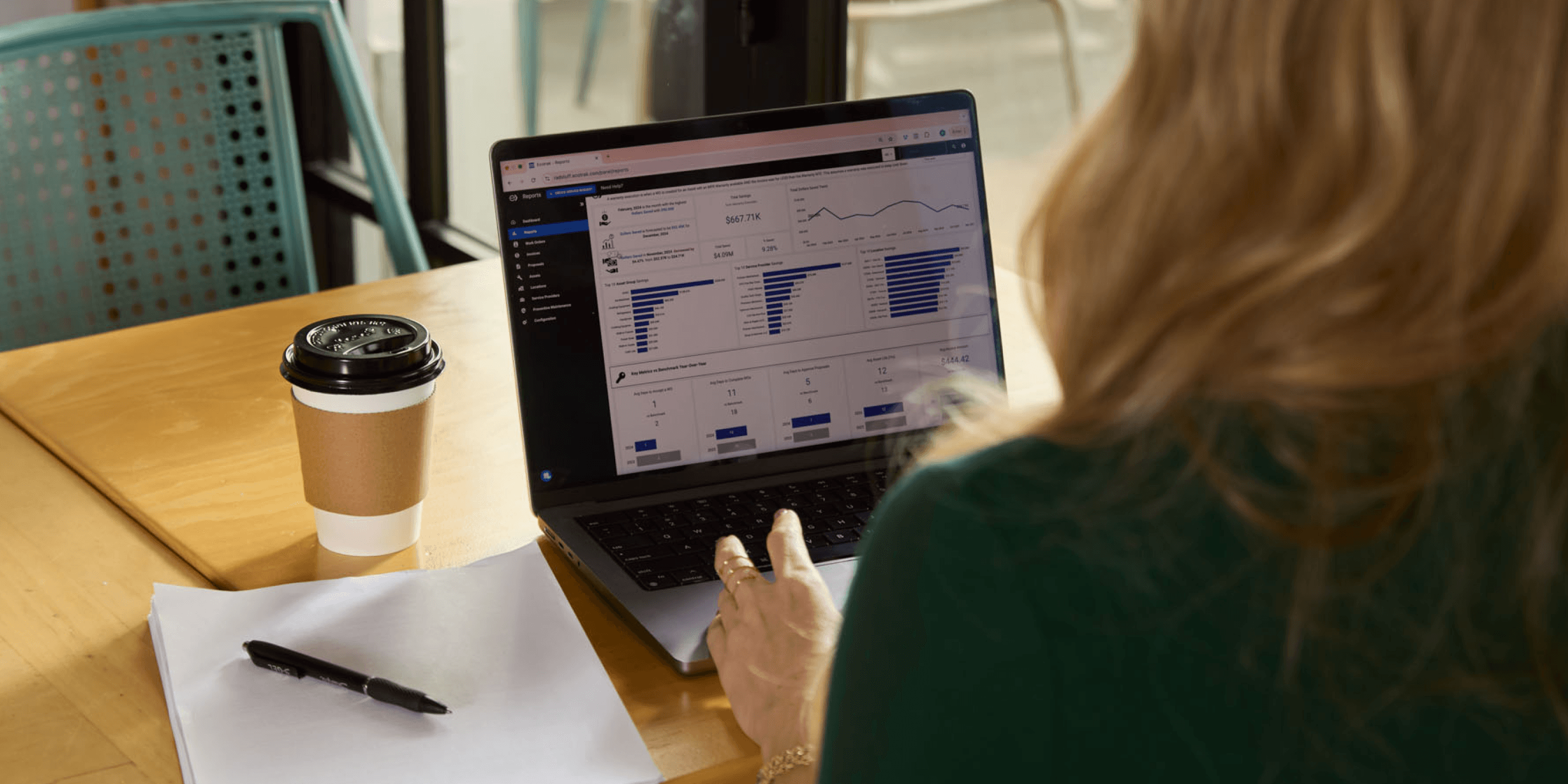
Custom Reporting: Build custom reporting across your entire portfolio of practices, tracking KPIs in asset performance, spend, or vendor efficiency.
Systems Integration: Your CMMS should integrate with the other tools you use in healthcare management, whether that’s your EMR/EHR, ERP, or practice management systems.
Any facilities management issue in healthcare has the potential to disrupt care. By centralizing maintenance activities on a CMMS, you are building the foundation for a proactive maintenance strategy that will pay dividends over time.
Related Content