blog

November 7th, 2025

Team Ecotrak

Time is Money: How CMMS Software Gives You Both Back

The best CMMS gives you time back during implementation, not after. Here's how fast onboarding accelerates your time-to-value. Every computerized maintenance management system (CMMS) vendor promises to save you time, but then asks for six months of implementation before you see any benefits.

Here’s what we’ve learned from working with facilities teams like yours - if you’re spending months learning a new system while you’re manual processes keep draining time in the background, how much are you really saving?

You’re already stretched thin, and the last thing you need is another project that takes forever to pay off. That’s why we built our approach differently. You start seeing time savings from week one, not month six.

How much time does manual maintenance management actually waste?

Let's talk about what’s really happening in your day-to-day operations.

Every time someone needs a vendor contact, they’re spending 15 to 20 minutes searching through emails, texts, and desk drawers. Compiling a monthly maintenance report equates to hours of manual data gathering and spreadsheet formatting. Updating equipment records means duplicate data entry across multiple systems.

Communication delays happen constantly when information isn't centralized. And when employees leave, critical institutional knowledge walks out with them.

These minutes feel small in the moment. But they compound.

A facility manager spending 20 minutes per day on tasks that should be automated loses over 80 hours per year. Multiply that across your team and locations, and you're looking at weeks of productivity disappearing into administrative busywork.

Why does CMMS onboarding speed matter so much?

Traditional CMMS implementations take three to six months of setup before you see real benefits.

You’re managing five, ten, maybe fifty locations with the same lean team you had when you started. You don’t have months to dedicate to software training while maintenance requests keep piling up.

What you need is a system that works from day one and delivers quick wins in the first 30 days.

That’s exactly how we’ve designed Ecotrak's approach. You’re learning by doing, with real support backing you up every step of the way.

What does effective CMMS onboarding look like?

Based on our experience with hundreds of implementations, ideal onboarding has clear phases that build on each other.

Weeks 1 to 2: Foundation and quick wins

You get a dedicated customer success manager assigned from day one. They help with data migration and getting your assets, vendors, and locations into the system. Initial configuration happens fast, so you can start using core features immediately.

Your first work orders get created and processed during this phase. Not theoretical training examples, but real maintenance requests from your actual operations. At Ecotrak, the CSM kickoff call establishes your goals and timeline so everyone knows what success looks like.

Weeks 3 to 4: Team enablement

This is when your whole team gains access to on-demand training libraries. Admins learn different features than technicians because their roles require different knowledge. Mobile app setup for field teams happens here, along with PM schedule migration and activation.

Weeks 5 to 6: Optimization and expansion

Vendor network integration connects you with Ecotrak's Service Provider Directory. Reports and dashboards get customized to show the metrics that matter to your operation. Advanced features like AI tools and digital assessments activate as you're ready for them.

Performance baselines get established so you can measure improvement. Ecotrak's EMA bot gets trained on your data and starts answering questions immediately.

Ongoing support doesn't stop after launch

Regular CSM check-ins keep you optimizing. The training library gets updated with new features and best practices. You receive guidance on feature adoption and performance optimization recommendations.

This is proactive support, not just reactive troubleshooting when something breaks.

Where does CMMS actually save time in daily operations?

Once you’re up and running, here’s where you start getting your life back:

Work order management gets 30% faster. Automated routing and assignment mean no more manual coordination. Mobile updates eliminate double entry when technicians finish jobs. Real-time status visibility means nobody wastes time asking "what's the status on that repair?"

Vendor coordination becomes 40–50% faster. Automated dispatch and communication happen through the system. Performance history is instantly accessible instead of scattered across emails.

Preventive maintenance runs itself. Automated PM generation based on schedules means no manual calendar management. Tasks create themselves, assign themselves, and track themselves. Compliance tracking is built in rather than requiring separate documentation.

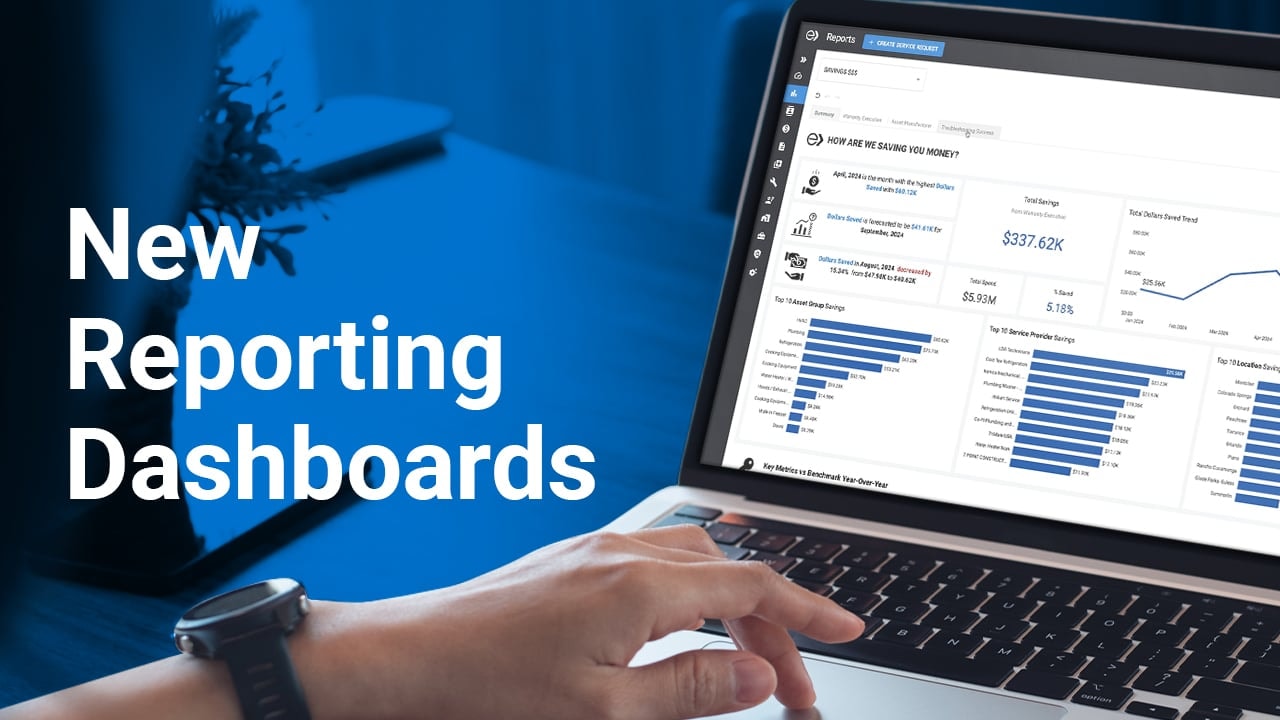
Reporting shifts from hours to minutes. Real-time dashboards replace manual compilation. Cost visibility happens without exporting to spreadsheets.

Asset management becomes centralized. Equipment records live in one location instead of scattered files. Warranty tracking happens automatically. Service recommendations come from actual equipment history rather than guesswork.

How does fast onboarding multiply time savings?

Here’s the thing about getting started quickly: It accelerates everything else.

When your team adopts features faster through proper training, they start seeing benefits sooner. Customer Success guidance identifies the highest-impact areas for your specific operation. On-demand resources reduce support dependency so people can solve problems without waiting.

Here's a concrete example: saving 20 minutes per work order times 50 work orders monthly equals 16+ hours back every month.

That's two full workdays you're reclaiming for strategic work instead of administrative tasks.

What can I do to maximize time-to-value with CMMS?

Work closely with your customer success manager - they know what works and what doesn’t. Use on-demand training to get your team up to speed efficiently. Start with core features and expand gradually rather than trying to implement everything at once.

Track your time savings metrics from day one so you can measure improvement. Leverage AI tools like EMA for instant efficiency gains. Build your PM schedules early because preventive benefits compound over time.

Most importantly, don’t try to do everything yourself. That’s what we’re here for.

How does Ecotrak deliver fast time-to-value?

You get a dedicated customer success manager from day one who knows your operation and guides your implementation. Implementation happens in weeks, not months, so you're seeing ROI fast.

AI-powered tools like EMA reduce manual work immediately. The mobile-first design means no learning curve for field teams who are already comfortable with apps.

What's the bottom line on CMMS time savings?

Time is your most valuable resource, and the right CMMS gives it back starting from day one.

Discover how Ecotrak delivers both time and cost savings from the start. Explore our asset management features and connect with our Customer Support team here to see how fast you can start reclaiming time.

Related Content

Newsletter

KEEP UP WITH US

Time is Money: How CMMS Software Gives You Both Back Resources